
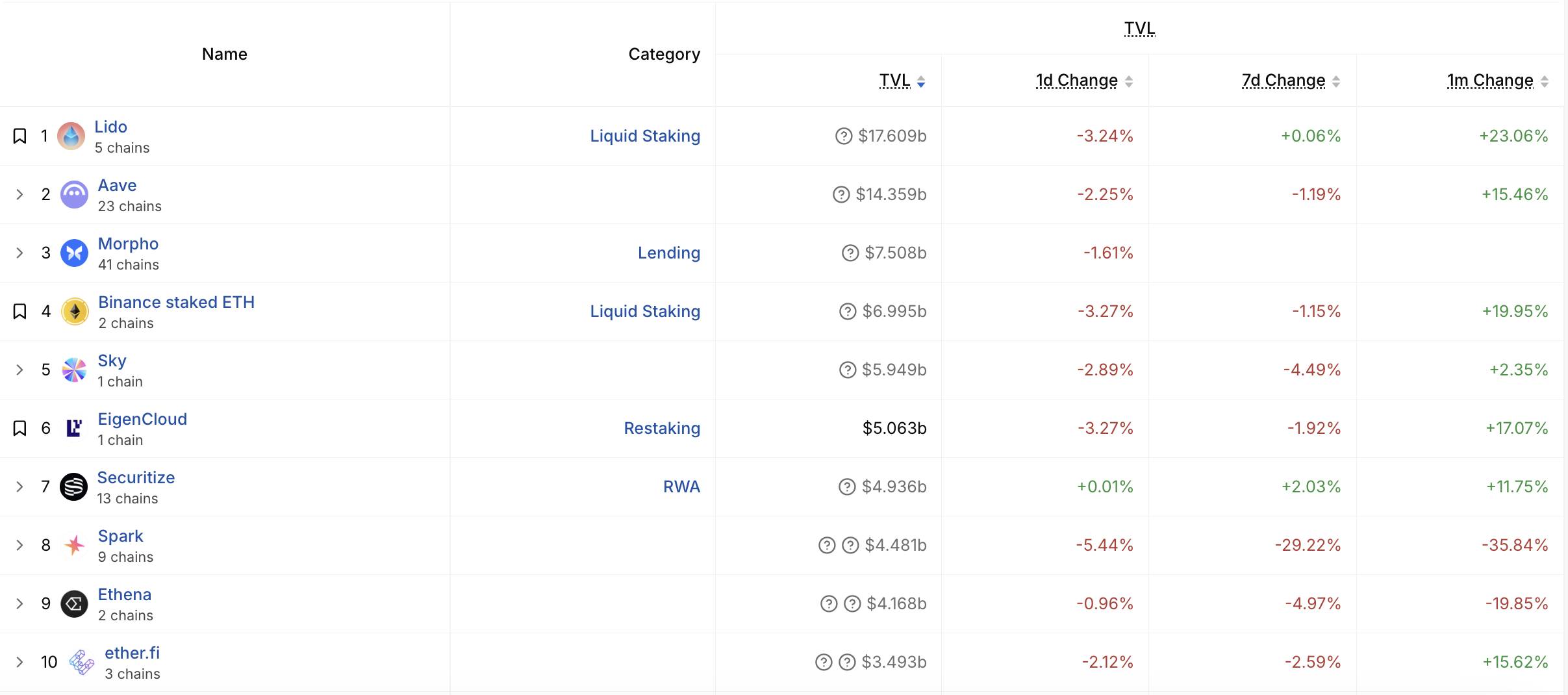
The migration began on July 27 as part of the broader Lido Core 2026 upgrade. At the time of the announcement, the affected stake was valued at approximately $16.5 billion. Curated Module is Lido Core’s largest staking module and currently secures around 90% of all ETH deposited through the protocol. Its successor, Curated Module v2, introduces support for Ethereum’s newer validator architecture, operator bonds, penalty mechanisms and a more flexible system for allocating stake. The upgrade is being implemented entirely at the protocol level, meaning that users who stake ETH through Lido do not need to take any action.
More Than 265,000 Validators to Move to the 0x02 Standard
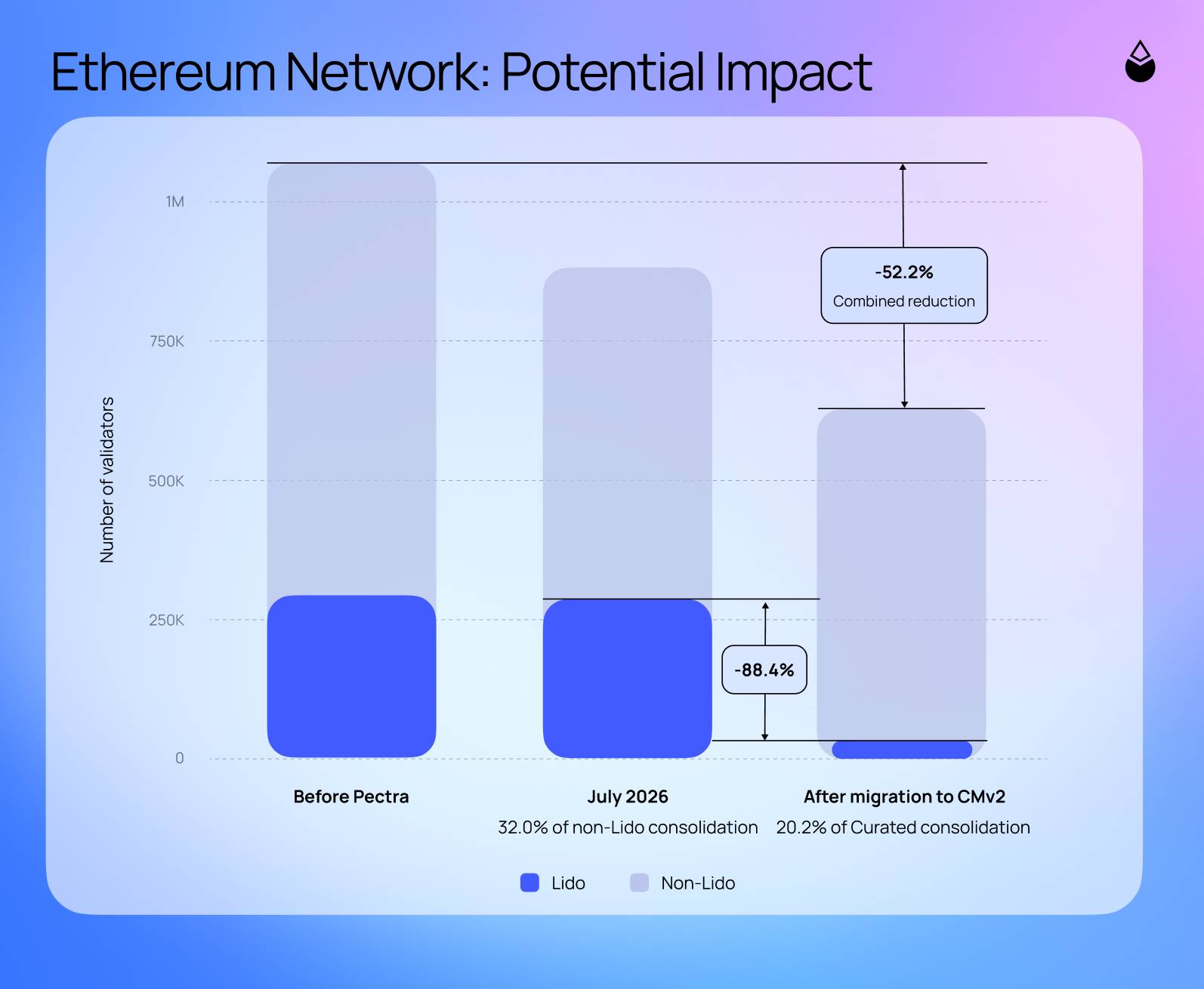
One of the most important changes is native support for 0x02 withdrawal credentials, introduced through Ethereum’s Pectra upgrade. Under the previous architecture, an Ethereum validator generally had an effective balance of 32 ETH. The newer 0x02 design allows a validator to maintain an effective balance of up to 2,048 ETH, enabling operators to consolidate many smaller validators into fewer, larger ones without reducing the amount of ETH securing the network. Lido plans to migrate more than 265,000 existing Curated Module validators from legacy 0x01 withdrawal credentials to the 0x02 standard through validator consolidations.
The protocol estimates that this process could reduce Ethereum’s total validator count by roughly one-third, from approximately 880,000 to around 628,000. This projection does not account for new validators joining the network or consolidations carried out independently by other staking providers.
Ethereum Could Process 29% Fewer Attestation Messages
Validators regularly send attestation messages confirming their view of the Ethereum blockchain. A very large validator set increases the volume of these messages and places additional pressure on the network’s consensus layer.
By consolidating Lido’s validator infrastructure, the upgrade is expected to reduce the number of attestation messages transmitted across Ethereum by approximately 29% during each epoch. This does not directly mean lower transaction fees or faster execution for ordinary Ethereum users. Instead, it is intended to make the network’s underlying validator infrastructure leaner and reduce the computational and communication overhead associated with consensus.
The upgrade comes after a period of competitive pressure on the protocol. FORECK.INFO previously examined Lido’s changing position in the Ethereum staking market as alternative staking providers and institutional platforms gained ground.
Curated Node Operators Must Post ETH Bonds
Curated Module v2 also changes how professional Node Operators are held accountable. The previous module relied primarily on the reputation and operating history of approved providers. Under the new system, operators must post ETH-backed bonds that can be used to compensate the protocol and its stakers following certain operational failures. Bond deductions may apply in cases involving prolonged downtime, validator slashing, delayed exits, improper handling of execution-layer rewards or other serious violations of Lido’s operating requirements.
The mechanism does not eliminate the protocol’s existing reputation-based model. Instead, it adds a financial layer of accountability intended to align the interests of Node Operators more closely with those of stakers.
Lido Introduces Different Node Operator Categories
Curated Module v2 replaces the previous one-size-fits-all approach with a framework that distinguishes between different types of Node Operators and their contributions to Ethereum. Decentralization Operators may be recognised for running nodes in underrepresented regions or using diverse infrastructure and software clients. Extra Effort Operators can receive recognition for supporting Lido governance, protocol services or capital formation. Public Good Operators include teams that develop and maintain Ethereum’s execution-layer and consensus-layer software clients.
The classification system is intended to encourage infrastructure diversity, support Ethereum’s open-source development and reward operators that contribute more than basic validator services.
Community Staking Module v3 Expands Validator Access
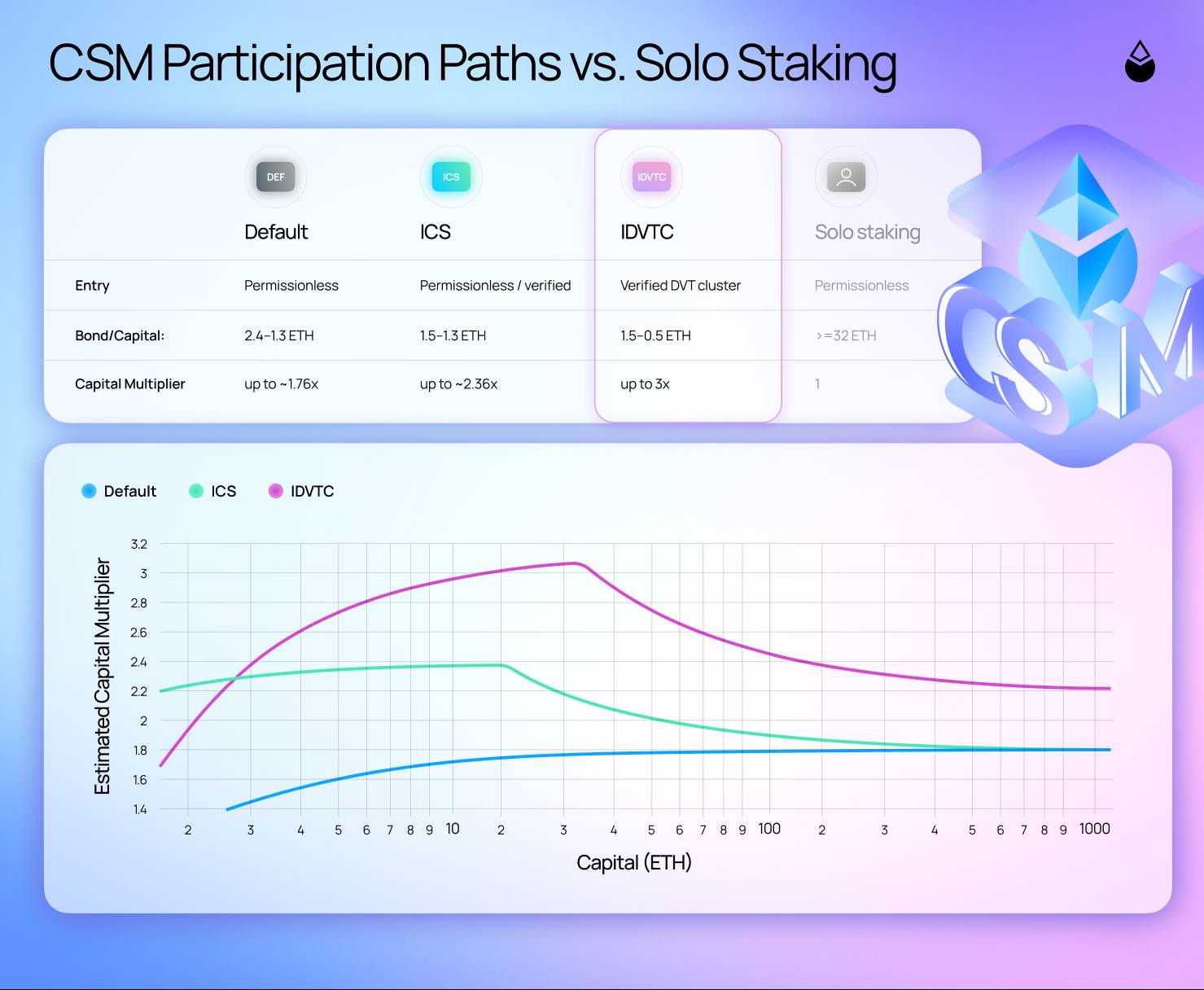
The wider Lido Core upgrade also includes Community Staking Module v3, or CSM v3, which is designed to expand permissionless participation in validator operations. Unlike the Curated Module, CSM allows qualifying community operators to participate without first being individually selected as professional operators by the Lido DAO. CSM v3 introduces Identified Distributed Validator Technology Clusters, or IDVTCs. Under this model, several independent operators can jointly manage a distributed validator using infrastructure from providers such as Obol or SSV.
Depending on the operator category and configuration, the required bond may range from 0.5 ETH to 1.5 ETH per validator key. Lido estimates that the model can provide up to 3.1 times greater capital efficiency than conventional solo staking.
Migration Could Take Months
Curated Module v2 is now live, but the transfer of stake from the legacy module will take place gradually. The process requires new 0x02 validators to be activated before balances from older validators can be consolidated into them. At the time of the announcement, Ethereum’s validator activation queue exceeded 40 days.
As a result, the full migration may take months rather than being completed immediately. The legacy Curated Module will remain available as a fallback while stake is progressively transferred to the new system.
Phase 2 Will Introduce Market-Based Stake Allocation
Lido contributors are also preparing the second phase of Curated Module v2. The planned upgrade will introduce a more flexible mechanism for directing stake between Node Operators. Allocation may take into account transparent parameters such as validator performance, operator fees, penalties, infrastructure diversity and contributions to the Ethereum ecosystem. Operators may eventually be able to set customised fees within limits approved by the Lido DAO. A strike system is also planned to track repeated underperformance or violations and adjust future stake allocation accordingly.
The objective is to move Lido toward a more market-driven staking model while preserving governance oversight and decentralisation requirements.
LDO Buyback Discussions Continue
The infrastructure upgrade comes as the Lido community continues to discuss possible changes to the economics of the LDO governance token. One proposal would authorise the use of up to 10,000 stETH from the Lido DAO treasury to acquire LDO in a series of controlled transactions. The acquired tokens would be returned to the DAO treasury rather than immediately burned or distributed to token holders.
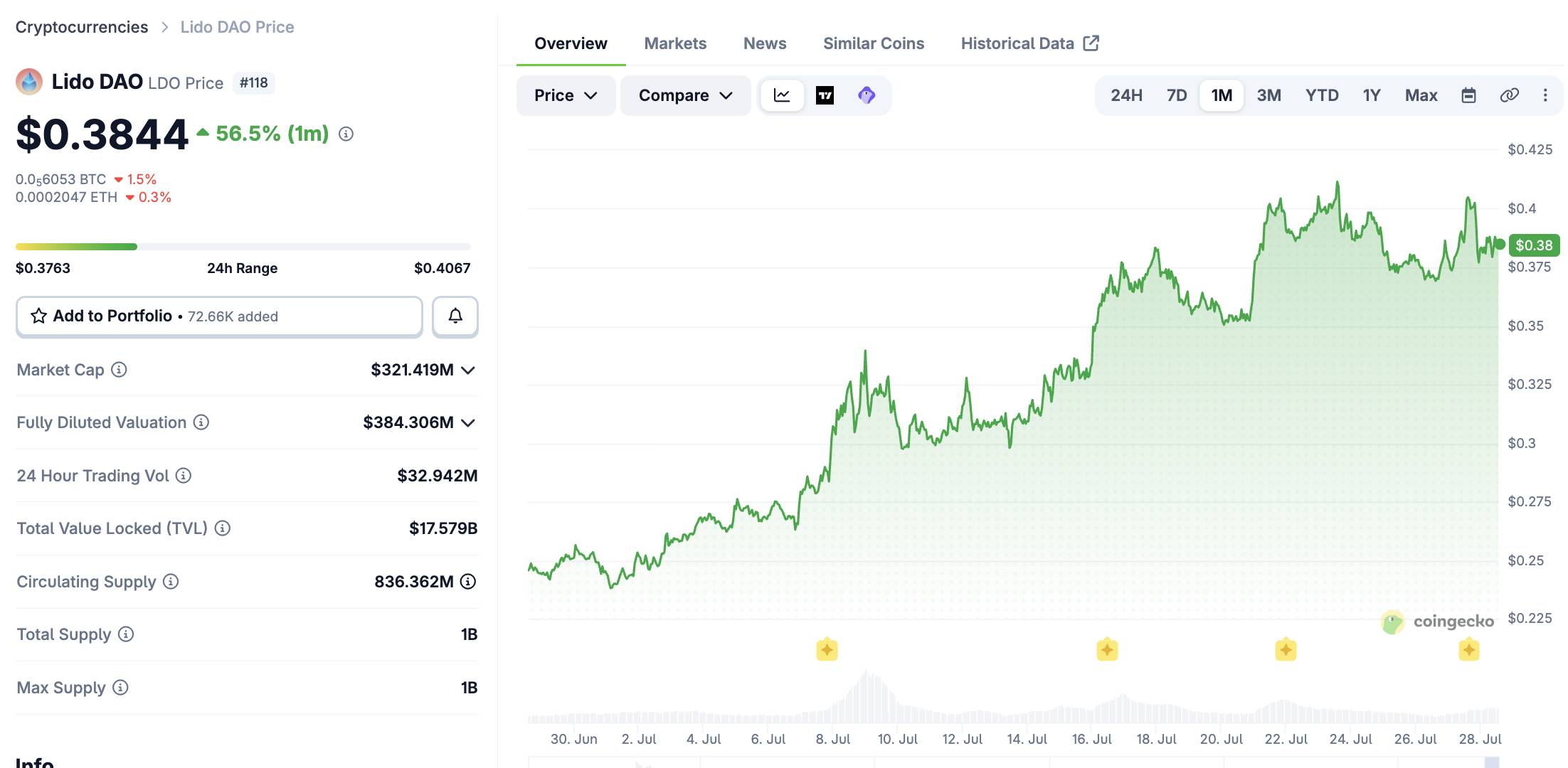
The proposal remains subject to Lido’s governance process and should not be treated as a confirmed $20 million buyback programme. Its final dollar value would also depend on the market price of ETH and the amount ultimately deployed. LDO has remained highly volatile, and its market performance should be viewed separately from the technical benefits of the Lido Core upgrade.
Conclusion: Curated Module v2 represents one of the most significant changes to Lido’s staking infrastructure since Lido V2. Consolidating more than 265,000 validators could substantially reduce Ethereum’s consensus-layer overhead while allowing the same amount of ETH to continue securing the network. The upgrade also strengthens operator accountability through ETH-backed bonds and expands community participation through CSM v3. However, the migration will be gradual, and its full effects will become clear only after the majority of Lido’s stake has moved to the new architecture.